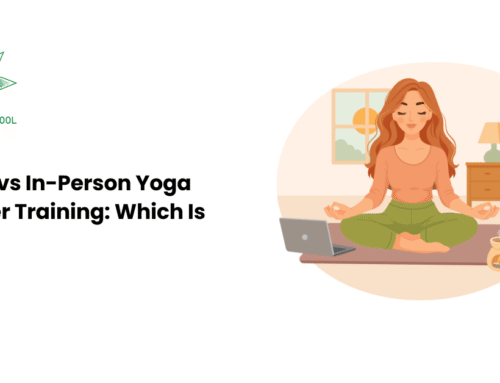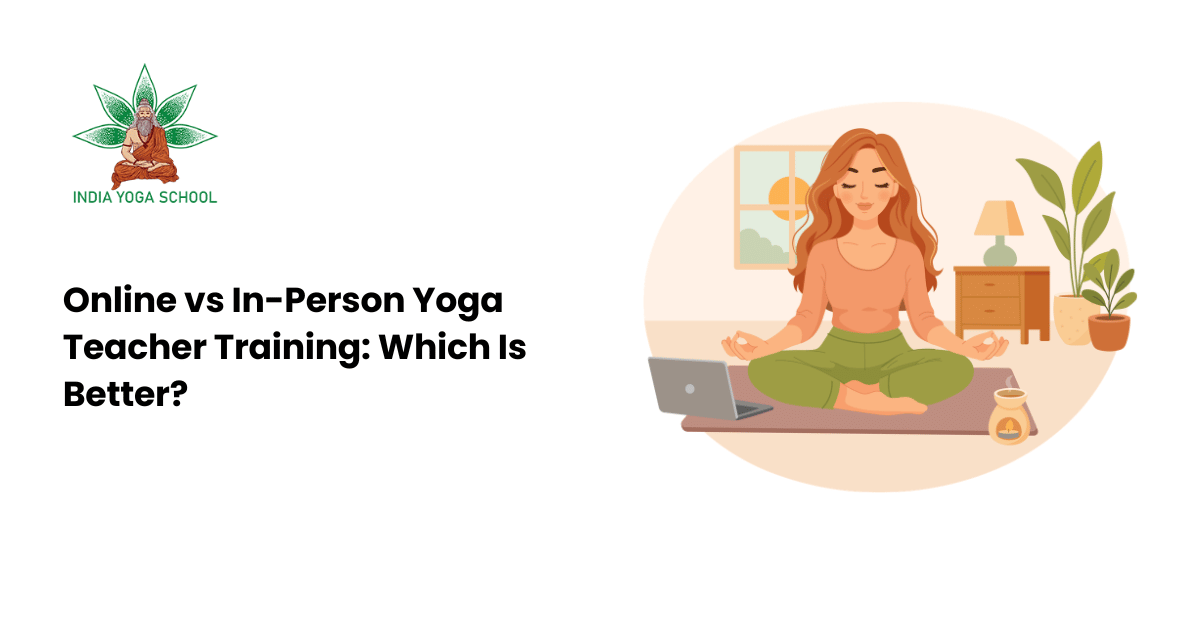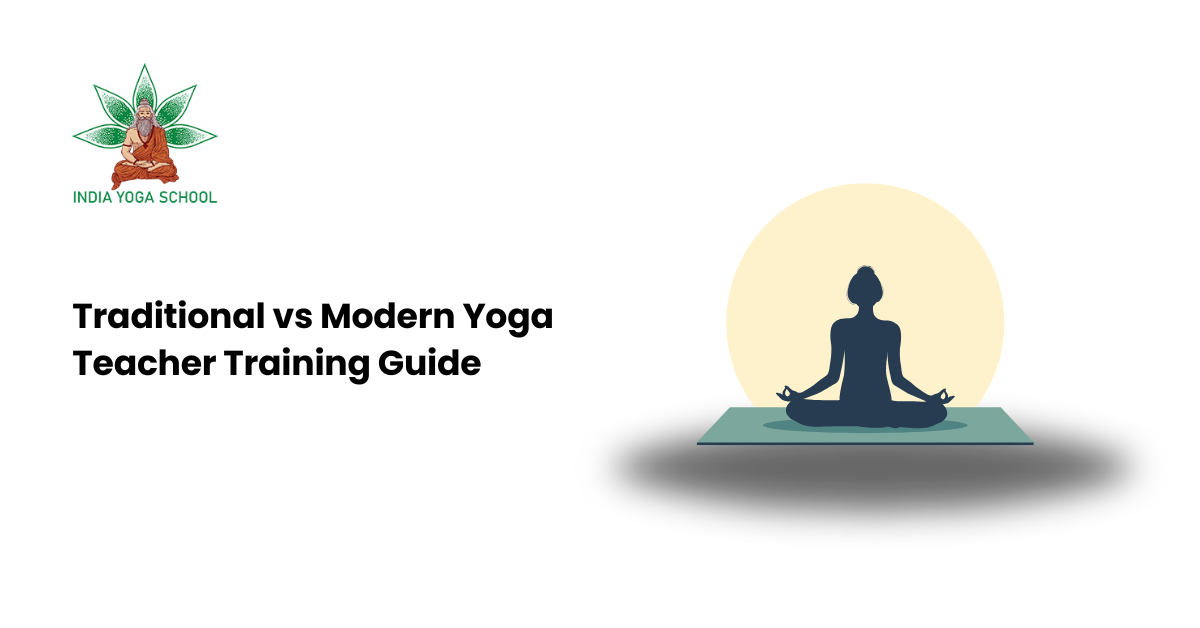
There are now two different paths to study yoga and choosing between them can feel like being at a busy crossroads in Goa. Yoga Teacher Training in Goa is the best place to compare the two methods because lineage gurus chant at dawn and new instructors stream tips by sunset. The choice is important: traditional courses bring about big changes in the soul, while modern courses improve teaching skills for studios around the world. Choose wisely, get clear and take steps toward a journey that fits with your values, lifestyle goals and heartfelt visions.
This will let you grow in a way that feels real every day
The Essence of Traditional Yoga Teacher Training
First of all, traditional programs get their strength from the Yoga Sutras, the Bhagavad Gita and the Hatha Yoga Pradipika. Before the sun comes up, the day starts with chanting, meditation and reading the Bible. Practice calms your mind and helps you concentrate. Also, the guru-shishya bond affects every lesson. A mentor gives direct advice and helps trainees build strong habits, clear minds and a sense of purpose that they can take back to the fast-paced city life.
The Approach of Modern Yoga Teacher Training
Second, modern programs combine philosophy with anatomy, biomechanics and psychology. Lessons break down each pose, talk about how to keep your joints safe and look at how to cue mindfully. At the same time, using inclusive language makes sure that every student feels seen. Also, recorded lectures, live-streamed workshops and forums make it possible to study at any time. So, professionals, parents and travellers can get certified without stopping their other responsibilities. In the end, graduates feel confident enough to lead classes in studios, gyms and wellness rooms.
Key Differences Between Traditional and Modern Training
Compare both paths quickly through this snapshot:
- Philosophy: Traditional philosophy aims for self-realisation, while modern philosophy aims for teaching competence.
- Rhythm: Traditional follows ashram routines, while modern uses flexible blocks.
- Learning: Traditional learning is based on talking, while modern learning is based on working on projects with other people.
- Environment: Traditional spaces are quiet and secluded, while modern spaces mix studio and online areas.
- Outcome: traditional shapes lifelong seekers, while modern shapes job-ready instructors, which helps them get jobs right away.
Finding the Right Balance
A lot of schools now combine morning meditation with afternoon alignment labs. So, students get both spiritual depth and modern practicality. Hybrid syllabi also include topics like ethics, sequencing, marketing and how to deal with injuries. So, graduates are just as comfortable chanting mantras as they are cueing Vinyasa flows. This kind of flexibility is very useful when teaching students of different ages in India and other countries.
The Transformative Journey of Yoga Teacher Training
Teacher training tests help you stick to your goals and see things from a different angle. Long holds help you be patient, philosophy classes make you think and getting feedback from your peers helps you understand others. Eventually, practice moves from the studio to real life. So, future teachers are kind, disciplined and clear and these traits spread to families, workplaces and communities.
Conclusion
It’s easier to choose a path when you know what each style has to offer. But the moment you make a commitment, real change starts. India Yoga School is a good choice if you want a program that mixes old and new ideas. You will have experienced mentors, peace by the beach and a curriculum that includes business, science and scripture.
Are you ready to start? Sign up for India Yoga School today to reserve your mat and start becoming the teacher you want to be.