Ayurveda

Ayurveda

Satvik Diet’s Unheard Importance In Yoga

Have you ever seen how your yoga practice is affected by the food you eat? Some foods cause more internal turmoil than others in terms of bloating and other digestive issues. It can be intriguing to observe, nevertheless, how some foods have more subdued effects on your emotions and mental state. The sister science of yoga, Ayurveda, gives us a detailed understanding of how our diets impact our physical and mental health, as well as our spiritual vigor.

What does Ayurveda say about our diet?

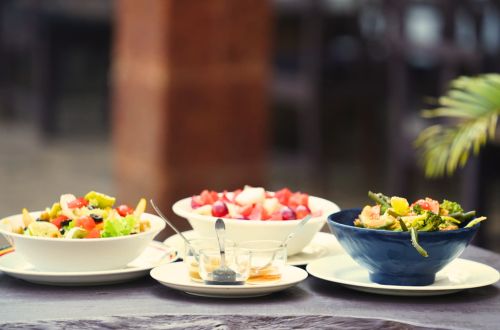
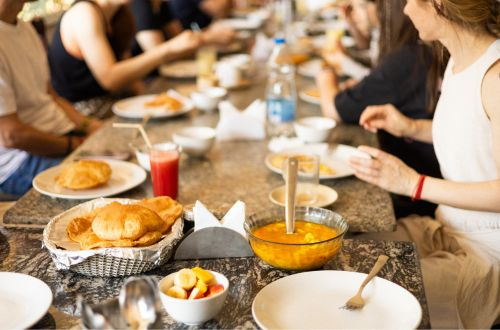
Ayurveda teaches us that the Satvik diet, which consists of fresh fruits, vegetables, whole grains, and legumes, plays a crucial role in enhancing our yoga practice. This diet is known for its lightness and purity, promoting clarity of mind and a calm state of being. By nourishing our bodies with Satvik foods, we can experience improved focus, increased energy levels, and a deeper connection to our spiritual selves during yoga sessions.

Every food has a unique flavor (rasa), energy for heating or cooling (virya), and an after-digestive impact. Overcombining these effects might cause the body to accumulate toxins (ama) and cause additional imbalances. For instance, milk and fruit—especially sour fruits—should not be combined. Yoga says that the simplest diet is the healthiest for both the body and the mind. For this reason, individuals who practice yoga are advised to adhere to a sattvic diet.

A clean vegetarian diet known as sattvik bhojan consists of entire grains, legumes, sprouts, fresh fruit in season, a lot of fresh vegetables, dried nuts, seeds, honey, fresh herbs, milk, and dairy products free of animal products. These meals elevate our consciousness or sattva. Cooked and consumed with love, gratitude, and mindfulness is Sattvic Bhojan. A Sattvik has a balanced personality, is calm, tranquil, serene, friendly, and full of vitality, enthusiasm, health, hope, and aspirations. Sattvic bhojan also has the added benefit of being a very successful weight loss technique and helping to maintain a healthy weight. When sattvic bhojan is deep-fried, overprocessed, or stored for an extended length of time, it turns tamasic.

A brief overview of your life changing complete Yoga Teacher Training in India:-

What makes rajasic and tamasic foods bad for your body?

Foods like eggs, tea, coffee, bread products, and alcohol that are highly flavorful and cause excessive excitation are known as Rajasic foods. These foods are all rajasic in nature since they all excite the nervous system. This diet prohibits the consumption of foods originating from animals. Foods that have been chemically or biologically modified, processed foods, or dead foods (meat, fish, etc.) are not allowed in a vegetarian diet. Foods that are reheated, stale, or overcooked are categorized as tamasic. Apart from that, since packaged food loses some of its freshness and nutritional value, it is not advised.

To sum up, the unheard importance of a Sattvik diet in yoga lies in its ability to create a pure environment for physical, mental, and spiritual growth. As we tackle the complexities of modern life, the ancient wisdom rooted in a Satvik diet beckons us to rediscover the profound connection between what we consume and the path to overall well-being. Understand the unheard, and let the purity of Satvik living harmonize your journey toward a more balanced and enlightened existence.

A sattvic diet generally consists of:

fresh, organic fruit and vegetables
whole grains and nuts
dairy products such as milk and ghee
beans and lentils
plant-based oils
mildly sweet foods (natural, unrefined sugars), honey, molasses
spices such as cinnamon, basil, coriander, ginger and turmeric

Facilities You Enjoy At the Yoga School in Rishikesh, India

5:00 AM
Morning Bell
6:30 AM - 7:30 AM
Shatkarma & Pranayama
7:30 AM - 9:00 AM
Traditional Hatha Yoga
9:00 AM - 10:00 AM
Breakfast
10:00 AM - 10: 45 AM
Yoga Anatomy
11:00 AM - 11:45 AM
Yoga Alignment & Adjustment
12:15 PM - 12:45 PM
Mantra Chanting & Yin Yoga

A true identity of a yogi is attached to his disciplined life

Discover the path to true yogic discipline with our Vinyasa Yogashala. While anyone can learn yoga and spirituality, delving deeper into the life of a yogi is essential for becoming a true yogi. Our comprehensive curriculum is designed to provide you with the knowledge and discipline you need to become fully immersed in the journey of yoga and divinity. Take the first steps towards enlightenment with our specially crafted schedule and expert guidance designed extensively to teach you the best practices and principles of yogic philosophy. Let’s unlock your yogic potential with a well-defined timetable or schedule because attaining discipline is the utmost significant step to become a yoga teacher.

01:00 PM - 2:00 PM
Lunch
03:00 PM - 4:00 PM
Yoga Philosophy
04:00 PM - 5:30 PM
Ashtanga Yoga & Vinyasa Flow Yoga
06:00 PM - 7:00 PM
Meditation & Restorative Yoga
07:10 PM - 8:00 PM
Dinner
08:00 PM - 8:30 PM
Bhakti Yoga
10:00 PM
Lights off
The highest value of life is to love yourself first

Curriculum For 100 Hour Yoga Teacher Training Course

Ashtanga Yoga

In the 20th century, K.pattabhi Jois has developed a modern-day form of classical Indian Yoga called Ashtanga Vinyasa. His teacher Krishnamacharya taught this form which is energetic practice with breath awareness and mindful movements.

will learn all asanas systematically and all the details are in Ashtanga Manual that you will receive.

  • Introduction to Ashtanga Yoga
  • History of Ashtanga Yoga
  • Awakening the Fire Within
  • The Breath of Life
  • Prana
  • A Chakra Contemplation
  • Eight Limbs of Yoga and the Practice of K.Pattabhi Jois
  • How to Do Bandha in Ashtanga
  • Drishti- Focusing the Attention During Movements
  • Proper Use of Props and Yoga Instruments 
  • Sun Salutation A & B (week 1)
  • Standing Asana Series (week 2)
  • Sitting Asana Series (Week 3)
  • Finishing Asana Series (Week 3)
  • Teaching Practices (Traditional&Mysore Style- Week 4)
  • pādāṅguṣṭāsana – Big toes Posture
  • pāda hastāsana – Hand under foot posture
  • utthita trikoṇāsana (A+B) Triangle posture
  • utthita pārśvakonāsana (A+B)- Extended side angle pose
  • prasārita pādottānāsana (A,B,C,D)- Intense wide leg stretch
  • pārśvottānāsana – intense side stretch posture
  • utthita hasta pādāṅguṣṭāsana- hand to big toe posture
  • ardha baddha padmottānāsana – half bound lotus forward bend
  • utkatāsana – Fierce pose
  • vīrabhadrāsana – Warrier pose A+B
  • Dandasana – Staff pose
  • paścimattānāsana – intense west stretch or sitting forward bend
  • pūrvattanāsana – Intense east stretch
  • ardha baddha padma paścimattānāsana- half bound lotus forward bend
  • tiryaṅgmukha ekapāda paścimattānāsana- Reverse the leg, one leg intense stretch
  • jānuśīrṣāsana – head to knee pose
Hatha Yoga

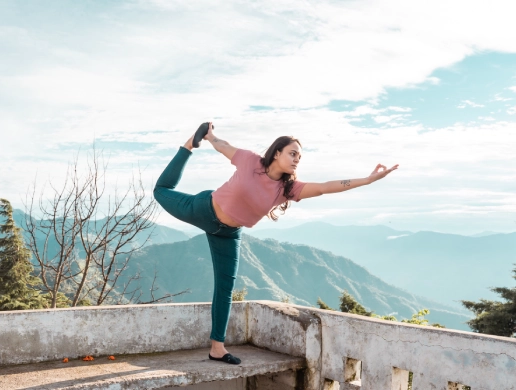
World Peace Yoga School teaches the traditional ancient style of Hatha Yoga that has been practiced by the Himalayan Masters for thousands of years. At our school, you practice according to your strength and flexibility. The main purpose is to attain perfect health and peace of mind. Here is the list of asana series that will be practiced;

  • Pavan Muktasana series 1
  • Pavan Muktasana series – 2
  • Pavan muktasana series – 3
  • Centering postures series
  • Surya Namaskar
  • Standing postures series
  • Kneeling postures series
  • Sitting Postures series
  • Forward bending postures series
  • Backward bending postures series
  • Supine postures series
  • Prone Postures series
  • Fire Series series
  • Inversions series
  • Twisting postures series
  • Balancing Postures series
  • Relaxing Posture series
  • Meditative Asana Series

Note: In total you will learn about 70 Yoga Exercises

The theory is just as important as practicing. Without proper understanding, you cannot do well. Our teachers will teach a base of understanding why, how, when, and what you need to do in an asana class. You must be self-motivated to go deeper into the postures. Here is the some of the theory you will be learning;

  • Philosophy of Hatha Yoga
  • Ancient Scriptures of Hatha Yoga
  • Aim and Objectives of Hatha Yoga
  • Yoga as a Therapy
  • Yoga as Balancing

Ashtanga Yoga

In the 20th century, K.pattabhi Jois has developed a modern-day form of classical Indian Yoga called Ashtanga Vinyasa. His teacher Krishnamacharya taught this form which is energetic practice with breath awareness and mindful movements.

will learn all asanas systematically and all the details are in Ashtanga Manual that you will receive.

  • Introduction to Ashtanga Yoga
  • History of Ashtanga Yoga
  • Awakening the Fire Within
  • The Breath of Life
  • Prana
  • A Chakra Contemplation
  • Eight Limbs of Yoga and the Practice of K.Pattabhi Jois
  • How to Do Bandha in Ashtanga
  • Drishti- Focusing the Attention During Movements
  • Proper Use of Props and Yoga Instruments 
  • Sun Salutation A & B (week 1)
  • Standing Asana Series (week 2)
  • Sitting Asana Series (Week 3)
  • Finishing Asana Series (Week 3)
  • Teaching Practices (Traditional&Mysore Style- Week 4)
  • pādāṅguṣṭāsana – Big toes Posture
  • pāda hastāsana – Hand under foot posture
  • utthita trikoṇāsana (A+B) Triangle posture
  • utthita pārśvakonāsana (A+B)- Extended side angle pose
  • prasārita pādottānāsana (A,B,C,D)- Intense wide leg stretch
  • pārśvottānāsana – intense side stretch posture
  • utthita hasta pādāṅguṣṭāsana- hand to big toe posture
  • ardha baddha padmottānāsana – half bound lotus forward bend
  • utkatāsana – Fierce pose
  • vīrabhadrāsana – Warrier pose A+B
  • Dandasana – Staff pose
  • paścimattānāsana – intense west stretch or sitting forward bend
  • pūrvattanāsana – Intense east stretch
  • ardha baddha padma paścimattānāsana- half bound lotus forward bend
  • tiryaṅgmukha ekapāda paścimattānāsana- Reverse the leg, one leg intense stretch
  • jānuśīrṣāsana – head to knee pose
Ashtanga Yoga

In the 20th century, K.pattabhi Jois has developed a modern-day form of classical Indian Yoga called Ashtanga Vinyasa. His teacher Krishnamacharya taught this form which is energetic practice with breath awareness and mindful movements.

will learn all asanas systematically and all the details are in Ashtanga Manual that you will receive.

  • Introduction to Ashtanga Yoga
  • History of Ashtanga Yoga
  • Awakening the Fire Within
  • The Breath of Life
  • Prana
  • A Chakra Contemplation
  • Eight Limbs of Yoga and the Practice of K.Pattabhi Jois
  • How to Do Bandha in Ashtanga
  • Drishti- Focusing the Attention During Movements
  • Proper Use of Props and Yoga Instruments 
  • Sun Salutation A & B (week 1)
  • Standing Asana Series (week 2)
  • Sitting Asana Series (Week 3)
  • Finishing Asana Series (Week 3)
  • Teaching Practices (Traditional&Mysore Style- Week 4)
  • pādāṅguṣṭāsana – Big toes Posture
  • pāda hastāsana – Hand under foot posture
  • utthita trikoṇāsana (A+B) Triangle posture
  • utthita pārśvakonāsana (A+B)- Extended side angle pose
  • prasārita pādottānāsana (A,B,C,D)- Intense wide leg stretch
  • pārśvottānāsana – intense side stretch posture
  • utthita hasta pādāṅguṣṭāsana- hand to big toe posture
  • ardha baddha padmottānāsana – half bound lotus forward bend
  • utkatāsana – Fierce pose
  • vīrabhadrāsana – Warrier pose A+B
  • Dandasana – Staff pose
  • paścimattānāsana – intense west stretch or sitting forward bend
  • pūrvattanāsana – Intense east stretch
  • ardha baddha padma paścimattānāsana- half bound lotus forward bend
  • tiryaṅgmukha ekapāda paścimattānāsana- Reverse the leg, one leg intense stretch
  • jānuśīrṣāsana – head to knee pose
Ashtanga Yoga

In the 20th century, K.pattabhi Jois has developed a modern-day form of classical Indian Yoga called Ashtanga Vinyasa. His teacher Krishnamacharya taught this form which is energetic practice with breath awareness and mindful movements.

will learn all asanas systematically and all the details are in Ashtanga Manual that you will receive.

  • Introduction to Ashtanga Yoga
  • History of Ashtanga Yoga
  • Awakening the Fire Within
  • The Breath of Life
  • Prana
  • A Chakra Contemplation
  • Eight Limbs of Yoga and the Practice of K.Pattabhi Jois
  • How to Do Bandha in Ashtanga
  • Drishti- Focusing the Attention During Movements
  • Proper Use of Props and Yoga Instruments 
  • Sun Salutation A & B (week 1)
  • Standing Asana Series (week 2)
  • Sitting Asana Series (Week 3)
  • Finishing Asana Series (Week 3)
  • Teaching Practices (Traditional&Mysore Style- Week 4)
  • pādāṅguṣṭāsana – Big toes Posture
  • pāda hastāsana – Hand under foot posture
  • utthita trikoṇāsana (A+B) Triangle posture
  • utthita pārśvakonāsana (A+B)- Extended side angle pose
  • prasārita pādottānāsana (A,B,C,D)- Intense wide leg stretch
  • pārśvottānāsana – intense side stretch posture
  • utthita hasta pādāṅguṣṭāsana- hand to big toe posture
  • ardha baddha padmottānāsana – half bound lotus forward bend
  • utkatāsana – Fierce pose
  • vīrabhadrāsana – Warrier pose A+B
  • Dandasana – Staff pose
  • paścimattānāsana – intense west stretch or sitting forward bend
  • pūrvattanāsana – Intense east stretch
  • ardha baddha padma paścimattānāsana- half bound lotus forward bend
  • tiryaṅgmukha ekapāda paścimattānāsana- Reverse the leg, one leg intense stretch
  • jānuśīrṣāsana – head to knee pose
Ashtanga Yoga

In the 20th century, K.pattabhi Jois has developed a modern-day form of classical Indian Yoga called Ashtanga Vinyasa. His teacher Krishnamacharya taught this form which is energetic practice with breath awareness and mindful movements.

will learn all asanas systematically and all the details are in Ashtanga Manual that you will receive.

  • Introduction to Ashtanga Yoga
  • History of Ashtanga Yoga
  • Awakening the Fire Within
  • The Breath of Life
  • Prana
  • A Chakra Contemplation
  • Eight Limbs of Yoga and the Practice of K.Pattabhi Jois
  • How to Do Bandha in Ashtanga
  • Drishti- Focusing the Attention During Movements
  • Proper Use of Props and Yoga Instruments 
  • Sun Salutation A & B (week 1)
  • Standing Asana Series (week 2)
  • Sitting Asana Series (Week 3)
  • Finishing Asana Series (Week 3)
  • Teaching Practices (Traditional&Mysore Style- Week 4)
  • pādāṅguṣṭāsana – Big toes Posture
  • pāda hastāsana – Hand under foot posture
  • utthita trikoṇāsana (A+B) Triangle posture
  • utthita pārśvakonāsana (A+B)- Extended side angle pose
  • prasārita pādottānāsana (A,B,C,D)- Intense wide leg stretch
  • pārśvottānāsana – intense side stretch posture
  • utthita hasta pādāṅguṣṭāsana- hand to big toe posture
  • ardha baddha padmottānāsana – half bound lotus forward bend
  • utkatāsana – Fierce pose
  • vīrabhadrāsana – Warrier pose A+B
  • Dandasana – Staff pose
  • paścimattānāsana – intense west stretch or sitting forward bend
  • pūrvattanāsana – Intense east stretch
  • ardha baddha padma paścimattānāsana- half bound lotus forward bend
  • tiryaṅgmukha ekapāda paścimattānāsana- Reverse the leg, one leg intense stretch
  • jānuśīrṣāsana – head to knee pose
Ashtanga Yoga

In the 20th century, K.pattabhi Jois has developed a modern-day form of classical Indian Yoga called Ashtanga Vinyasa. His teacher Krishnamacharya taught this form which is energetic practice with breath awareness and mindful movements.

will learn all asanas systematically and all the details are in Ashtanga Manual that you will receive.

  • Introduction to Ashtanga Yoga
  • History of Ashtanga Yoga
  • Awakening the Fire Within
  • The Breath of Life
  • Prana
  • A Chakra Contemplation
  • Eight Limbs of Yoga and the Practice of K.Pattabhi Jois
  • How to Do Bandha in Ashtanga
  • Drishti- Focusing the Attention During Movements
  • Proper Use of Props and Yoga Instruments 
  • Sun Salutation A & B (week 1)
  • Standing Asana Series (week 2)
  • Sitting Asana Series (Week 3)
  • Finishing Asana Series (Week 3)
  • Teaching Practices (Traditional&Mysore Style- Week 4)
  • pādāṅguṣṭāsana – Big toes Posture
  • pāda hastāsana – Hand under foot posture
  • utthita trikoṇāsana (A+B) Triangle posture
  • utthita pārśvakonāsana (A+B)- Extended side angle pose
  • prasārita pādottānāsana (A,B,C,D)- Intense wide leg stretch
  • pārśvottānāsana – intense side stretch posture
  • utthita hasta pādāṅguṣṭāsana- hand to big toe posture
  • ardha baddha padmottānāsana – half bound lotus forward bend
  • utkatāsana – Fierce pose
  • vīrabhadrāsana – Warrier pose A+B
  • Dandasana – Staff pose
  • paścimattānāsana – intense west stretch or sitting forward bend
  • pūrvattanāsana – Intense east stretch
  • ardha baddha padma paścimattānāsana- half bound lotus forward bend
  • tiryaṅgmukha ekapāda paścimattānāsana- Reverse the leg, one leg intense stretch
  • jānuśīrṣāsana – head to knee pose
Ashtanga Yoga

In the 20th century, K.pattabhi Jois has developed a modern-day form of classical Indian Yoga called Ashtanga Vinyasa. His teacher Krishnamacharya taught this form which is energetic practice with breath awareness and mindful movements.

will learn all asanas systematically and all the details are in Ashtanga Manual that you will receive.

  • Introduction to Ashtanga Yoga
  • History of Ashtanga Yoga
  • Awakening the Fire Within
  • The Breath of Life
  • Prana
  • A Chakra Contemplation
  • Eight Limbs of Yoga and the Practice of K.Pattabhi Jois
  • How to Do Bandha in Ashtanga
  • Drishti- Focusing the Attention During Movements
  • Proper Use of Props and Yoga Instruments 
  • Sun Salutation A & B (week 1)
  • Standing Asana Series (week 2)
  • Sitting Asana Series (Week 3)
  • Finishing Asana Series (Week 3)
  • Teaching Practices (Traditional&Mysore Style- Week 4)
  • pādāṅguṣṭāsana – Big toes Posture
  • pāda hastāsana – Hand under foot posture
  • utthita trikoṇāsana (A+B) Triangle posture
  • utthita pārśvakonāsana (A+B)- Extended side angle pose
  • prasārita pādottānāsana (A,B,C,D)- Intense wide leg stretch
  • pārśvottānāsana – intense side stretch posture
  • utthita hasta pādāṅguṣṭāsana- hand to big toe posture
  • ardha baddha padmottānāsana – half bound lotus forward bend
  • utkatāsana – Fierce pose
  • vīrabhadrāsana – Warrier pose A+B
  • Dandasana – Staff pose
  • paścimattānāsana – intense west stretch or sitting forward bend
  • pūrvattanāsana – Intense east stretch
  • ardha baddha padma paścimattānāsana- half bound lotus forward bend
  • tiryaṅgmukha ekapāda paścimattānāsana- Reverse the leg, one leg intense stretch
  • jānuśīrṣāsana – head to knee pose
Ashtanga Yoga

In the 20th century, K.pattabhi Jois has developed a modern-day form of classical Indian Yoga called Ashtanga Vinyasa. His teacher Krishnamacharya taught this form which is energetic practice with breath awareness and mindful movements.

will learn all asanas systematically and all the details are in Ashtanga Manual that you will receive.

  • Introduction to Ashtanga Yoga
  • History of Ashtanga Yoga
  • Awakening the Fire Within
  • The Breath of Life
  • Prana
  • A Chakra Contemplation
  • Eight Limbs of Yoga and the Practice of K.Pattabhi Jois
  • How to Do Bandha in Ashtanga
  • Drishti- Focusing the Attention During Movements
  • Proper Use of Props and Yoga Instruments 
  • Sun Salutation A & B (week 1)
  • Standing Asana Series (week 2)
  • Sitting Asana Series (Week 3)
  • Finishing Asana Series (Week 3)
  • Teaching Practices (Traditional&Mysore Style- Week 4)
  • pādāṅguṣṭāsana – Big toes Posture
  • pāda hastāsana – Hand under foot posture
  • utthita trikoṇāsana (A+B) Triangle posture
  • utthita pārśvakonāsana (A+B)- Extended side angle pose
  • prasārita pādottānāsana (A,B,C,D)- Intense wide leg stretch
  • pārśvottānāsana – intense side stretch posture
  • utthita hasta pādāṅguṣṭāsana- hand to big toe posture
  • ardha baddha padmottānāsana – half bound lotus forward bend
  • utkatāsana – Fierce pose
  • vīrabhadrāsana – Warrier pose A+B
  • Dandasana – Staff pose
  • paścimattānāsana – intense west stretch or sitting forward bend
  • pūrvattanāsana – Intense east stretch
  • ardha baddha padma paścimattānāsana- half bound lotus forward bend
  • tiryaṅgmukha ekapāda paścimattānāsana- Reverse the leg, one leg intense stretch
  • jānuśīrṣāsana – head to knee pose

Ashtanga Yoga

In the 20th century, K.pattabhi Jois has developed a modern-day form of classical Indian Yoga called Ashtanga Vinyasa. His teacher Krishnamacharya taught this form which is energetic practice with breath awareness and mindful movements.

will learn all asanas systematically and all the details are in Ashtanga Manual that you will receive.

  • Introduction to Ashtanga Yoga
  • History of Ashtanga Yoga
  • Awakening the Fire Within
  • The Breath of Life
  • Prana
  • A Chakra Contemplation
  • Eight Limbs of Yoga and the Practice of K.Pattabhi Jois
  • How to Do Bandha in Ashtanga
  • Drishti- Focusing the Attention During Movements
  • Proper Use of Props and Yoga Instruments 
  • Sun Salutation A & B (week 1)
  • Standing Asana Series (week 2)
  • Sitting Asana Series (Week 3)
  • Finishing Asana Series (Week 3)
  • Teaching Practices (Traditional&Mysore Style- Week 4)
  • pādāṅguṣṭāsana – Big toes Posture
  • pāda hastāsana – Hand under foot posture
  • utthita trikoṇāsana (A+B) Triangle posture
  • utthita pārśvakonāsana (A+B)- Extended side angle pose
  • prasārita pādottānāsana (A,B,C,D)- Intense wide leg stretch
  • pārśvottānāsana – intense side stretch posture
  • utthita hasta pādāṅguṣṭāsana- hand to big toe posture
  • ardha baddha padmottānāsana – half bound lotus forward bend
  • utkatāsana – Fierce pose
  • vīrabhadrāsana – Warrier pose A+B
  • Dandasana – Staff pose
  • paścimattānāsana – intense west stretch or sitting forward bend
  • pūrvattanāsana – Intense east stretch
  • ardha baddha padma paścimattānāsana- half bound lotus forward bend
  • tiryaṅgmukha ekapāda paścimattānāsana- Reverse the leg, one leg intense stretch
  • jānuśīrṣāsana – head to knee pose
Ashtanga Yoga

In the 20th century, K.pattabhi Jois has developed a modern-day form of classical Indian Yoga called Ashtanga Vinyasa. His teacher Krishnamacharya taught this form which is energetic practice with breath awareness and mindful movements.

will learn all asanas systematically and all the details are in Ashtanga Manual that you will receive.

  • Introduction to Ashtanga Yoga
  • History of Ashtanga Yoga
  • Awakening the Fire Within
  • The Breath of Life
  • Prana
  • A Chakra Contemplation
  • Eight Limbs of Yoga and the Practice of K.Pattabhi Jois
  • How to Do Bandha in Ashtanga
  • Drishti- Focusing the Attention During Movements
  • Proper Use of Props and Yoga Instruments 
  • Sun Salutation A & B (week 1)
  • Standing Asana Series (week 2)
  • Sitting Asana Series (Week 3)
  • Finishing Asana Series (Week 3)
  • Teaching Practices (Traditional&Mysore Style- Week 4)
  • pādāṅguṣṭāsana – Big toes Posture
  • pāda hastāsana – Hand under foot posture
  • utthita trikoṇāsana (A+B) Triangle posture
  • utthita pārśvakonāsana (A+B)- Extended side angle pose
  • prasārita pādottānāsana (A,B,C,D)- Intense wide leg stretch
  • pārśvottānāsana – intense side stretch posture
  • utthita hasta pādāṅguṣṭāsana- hand to big toe posture
  • ardha baddha padmottānāsana – half bound lotus forward bend
  • utkatāsana – Fierce pose
  • vīrabhadrāsana – Warrier pose A+B
  • Dandasana – Staff pose
  • paścimattānāsana – intense west stretch or sitting forward bend
  • pūrvattanāsana – Intense east stretch
  • ardha baddha padma paścimattānāsana- half bound lotus forward bend
  • tiryaṅgmukha ekapāda paścimattānāsana- Reverse the leg, one leg intense stretch
  • jānuśīrṣāsana – head to knee pose
Ashtanga Yoga

In the 20th century, K.pattabhi Jois has developed a modern-day form of classical Indian Yoga called Ashtanga Vinyasa. His teacher Krishnamacharya taught this form which is energetic practice with breath awareness and mindful movements.

will learn all asanas systematically and all the details are in Ashtanga Manual that you will receive.

  • Introduction to Ashtanga Yoga
  • History of Ashtanga Yoga
  • Awakening the Fire Within
  • The Breath of Life
  • Prana
  • A Chakra Contemplation
  • Eight Limbs of Yoga and the Practice of K.Pattabhi Jois
  • How to Do Bandha in Ashtanga
  • Drishti- Focusing the Attention During Movements
  • Proper Use of Props and Yoga Instruments 
  • Sun Salutation A & B (week 1)
  • Standing Asana Series (week 2)
  • Sitting Asana Series (Week 3)
  • Finishing Asana Series (Week 3)
  • Teaching Practices (Traditional&Mysore Style- Week 4)
  • pādāṅguṣṭāsana – Big toes Posture
  • pāda hastāsana – Hand under foot posture
  • utthita trikoṇāsana (A+B) Triangle posture
  • utthita pārśvakonāsana (A+B)- Extended side angle pose
  • prasārita pādottānāsana (A,B,C,D)- Intense wide leg stretch
  • pārśvottānāsana – intense side stretch posture
  • utthita hasta pādāṅguṣṭāsana- hand to big toe posture
  • ardha baddha padmottānāsana – half bound lotus forward bend
  • utkatāsana – Fierce pose
  • vīrabhadrāsana – Warrier pose A+B
  • Dandasana – Staff pose
  • paścimattānāsana – intense west stretch or sitting forward bend
  • pūrvattanāsana – Intense east stretch
  • ardha baddha padma paścimattānāsana- half bound lotus forward bend
  • tiryaṅgmukha ekapāda paścimattānāsana- Reverse the leg, one leg intense stretch
  • jānuśīrṣāsana – head to knee pose
Ashtanga Yoga

In the 20th century, K.pattabhi Jois has developed a modern-day form of classical Indian Yoga called Ashtanga Vinyasa. His teacher Krishnamacharya taught this form which is energetic practice with breath awareness and mindful movements.

will learn all asanas systematically and all the details are in Ashtanga Manual that you will receive.

  • Introduction to Ashtanga Yoga
  • History of Ashtanga Yoga
  • Awakening the Fire Within
  • The Breath of Life
  • Prana
  • A Chakra Contemplation
  • Eight Limbs of Yoga and the Practice of K.Pattabhi Jois
  • How to Do Bandha in Ashtanga
  • Drishti- Focusing the Attention During Movements
  • Proper Use of Props and Yoga Instruments 
  • Sun Salutation A & B (week 1)
  • Standing Asana Series (week 2)
  • Sitting Asana Series (Week 3)
  • Finishing Asana Series (Week 3)
  • Teaching Practices (Traditional&Mysore Style- Week 4)
  • pādāṅguṣṭāsana – Big toes Posture
  • pāda hastāsana – Hand under foot posture
  • utthita trikoṇāsana (A+B) Triangle posture
  • utthita pārśvakonāsana (A+B)- Extended side angle pose
  • prasārita pādottānāsana (A,B,C,D)- Intense wide leg stretch
  • pārśvottānāsana – intense side stretch posture
  • utthita hasta pādāṅguṣṭāsana- hand to big toe posture
  • ardha baddha padmottānāsana – half bound lotus forward bend
  • utkatāsana – Fierce pose
  • vīrabhadrāsana – Warrier pose A+B
  • Dandasana – Staff pose
  • paścimattānāsana – intense west stretch or sitting forward bend
  • pūrvattanāsana – Intense east stretch
  • ardha baddha padma paścimattānāsana- half bound lotus forward bend
  • tiryaṅgmukha ekapāda paścimattānāsana- Reverse the leg, one leg intense stretch
  • jānuśīrṣāsana – head to knee pose
Ashtanga Yoga

In the 20th century, K.pattabhi Jois has developed a modern-day form of classical Indian Yoga called Ashtanga Vinyasa. His teacher Krishnamacharya taught this form which is energetic practice with breath awareness and mindful movements.

will learn all asanas systematically and all the details are in Ashtanga Manual that you will receive.

  • Introduction to Ashtanga Yoga
  • History of Ashtanga Yoga
  • Awakening the Fire Within
  • The Breath of Life
  • Prana
  • A Chakra Contemplation
  • Eight Limbs of Yoga and the Practice of K.Pattabhi Jois
  • How to Do Bandha in Ashtanga
  • Drishti- Focusing the Attention During Movements
  • Proper Use of Props and Yoga Instruments 
  • Sun Salutation A & B (week 1)
  • Standing Asana Series (week 2)
  • Sitting Asana Series (Week 3)
  • Finishing Asana Series (Week 3)
  • Teaching Practices (Traditional&Mysore Style- Week 4)
  • pādāṅguṣṭāsana – Big toes Posture
  • pāda hastāsana – Hand under foot posture
  • utthita trikoṇāsana (A+B) Triangle posture
  • utthita pārśvakonāsana (A+B)- Extended side angle pose
  • prasārita pādottānāsana (A,B,C,D)- Intense wide leg stretch
  • pārśvottānāsana – intense side stretch posture
  • utthita hasta pādāṅguṣṭāsana- hand to big toe posture
  • ardha baddha padmottānāsana – half bound lotus forward bend
  • utkatāsana – Fierce pose
  • vīrabhadrāsana – Warrier pose A+B
  • Dandasana – Staff pose
  • paścimattānāsana – intense west stretch or sitting forward bend
  • pūrvattanāsana – Intense east stretch
  • ardha baddha padma paścimattānāsana- half bound lotus forward bend
  • tiryaṅgmukha ekapāda paścimattānāsana- Reverse the leg, one leg intense stretch
  • jānuśīrṣāsana – head to knee pose
Facilities You Enjoy At the Yoga School in Rishikesh, India

About Transportation

We arrange, for students without a direct flight to Dehradun, their transportation from Delhi. If a student wishes to arrive by taxi/cab arranged by them, we send a Google map location and stay in contact with them till they reach Vinyasa yogashala safely.

About library

We arrange, for students without a direct flight to Dehradun, their transportation from Delhi. If a student wishes to arrive by taxi/cab arranged by them, we send a Google map location and stay in contact with them till they reach Vinyasa yogashala safely.

Excursions

We arrange, for students without a direct flight to Dehradun, their transportation from Delhi. If a student wishes to arrive by taxi/cab arranged by them, we send a Google map location and stay in contact with them till they reach Vinyasa yogashala safely.

About Food

We arrange, for students without a direct flight to Dehradun, their transportation from Delhi. If a student wishes to arrive by taxi/cab arranged by them, we send a Google map location and stay in contact with them till they reach Vinyasa yogashala safely.

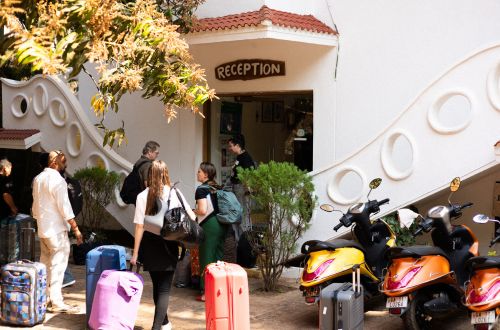
About Reception

We arrange, for students without a direct flight to Dehradun, their transportation from Delhi. If a student wishes to arrive by taxi/cab arranged by them, we send a Google map location and stay in contact with them till they reach Vinyasa yogashala safely.

Your life is a gift of the Divine, Cherish it

Why Bali For Yoga & Brief Overview Of Course

Why Choose Bali For 100 Hour Yoga TTC?

Here at World Peace Yoga School, we have a staff of certified yoga teachers who are enthusiastic about sharing the transformative power of Hatha and Vinyasa yoga with you. Because they love what they do so much, our instructors bring so much energy, enthusiasm, and positivity into the classroom. They will be there for you every step of the way, offering encouragement and direction as you embark on your yoga adventure. They have strong morals and values and are contemporary.

Combining Hatha and Vinyasa movements, Yoga Teacher Training in Bali is unlike any other. Teachers should encourage their students and help them make educated decisions as they work toward these diverse and ever-evolving goals. Fantastic things begin to transpire when yoga instructors provide welcoming and secure spaces for their students to test the limits of their physical, mental, and spiritual selves. The body experiences new feelings. Being mindful of one’s breathing becomes an incredibly powerful weapon.

A more robust and clear state of mind is achieved. An emotional balancing act occurs, a heart opening, and a spirit soaring. Feeling better only means you’re more energized and full of life. Join our 100-Hour Hatha & Vinyasa Yoga Teacher Training in Bali if you want to discover more about Yoga or delve deeper into its many facets. It will be an extraordinary experience that will change your life.

Student Reviews at World Peace Yoga School Bali

Student Reviews at World Peace Yoga School Bali

Things You Will Learn

  • Traditional Yoga Practices.
  • Ashtanga Yoga.
  • Hatha Yoga.
  • Vinyasa Yoga.
  • Fundamentals Of Yoga Practices.
  • Alignment & Adjustment.
  • Yoga Anatomy.
  • Teaching Methodology.
  • Different Traditions Of Yoga.
  • Importance Of Yoga Practices.
  • Science Of Yoga.
  • Yoga Postures, Yoga Nidra, Pranayam.
  • Meditation Practices.

Student Reviews at World Peace Yoga School Bali

Student Reviews at World Peace Yoga School Bali

Begin your Journey

100 Hour Yoga Teacher Training Course Fees & Upcoming Dates 2024-2025

1th To 10th Sep 2024
02 Seats left
2 Sharing Room
$999 $1399
Private Room
$1299 $1699
Private Room
$1299 $1699
1th To 10th Oct 2024
04 Seats left
2 Sharing Room
$999 $1399
Private Room
$1299 $1699
Private Room
$1299 $1699
1th To 10th Nov 2024
04 Seats left
2 Sharing Room
$999 $1399
Private Room
$1299 $1699
Private Room
$1299 $1699
1th To 10th Dec 2024
04 Seats left
2 Sharing Room
$999 $1399
Private Room
$1299 $1699
Private Room
$1299 $1699
1th To 10th Jan 2025
04 Seats left
$999 $1399
$1299 $1699
$1299 $1699
1th To 10th Feb 2025
04 Seats left
$999 $1399
$1299 $1699
$1299 $1699
1th To 10th Mar 2025
04 Seats left
$999 $1399
$1299 $1699
$1299 $1699
1th To 10th Apr 2025
04 Seats left
$999 $1399
$1299 $1699
$1299 $1699

Facilities You Enjoy At the Yoga School in Rishikesh, India

What Is Included?

  • Yoga Books
  • Notebooks and pens
  • Cleansing Kit
  • Training Manual
  • Theoretical and Practical Skills
  • Fire Ceremony
  • Evening Ganga Beach Meditation

What Is Not Included?

  • Yoga Books
  • Notebooks and pens
  • Cleansing Kit
  • Training Manual
  • Theoretical and Practical Skills
  • Fire Ceremony
  • Evening Ganga Beach Meditation

What To Bring?

  • Yoga Books
  • Notebooks and pens
  • Cleansing Kit
  • Training Manual
  • Theoretical and Practical Skills
  • Fire Ceremony
  • Evening Ganga Beach Meditation

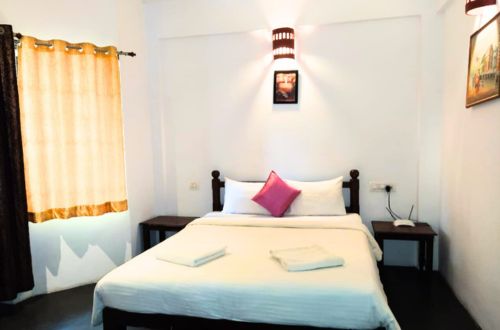
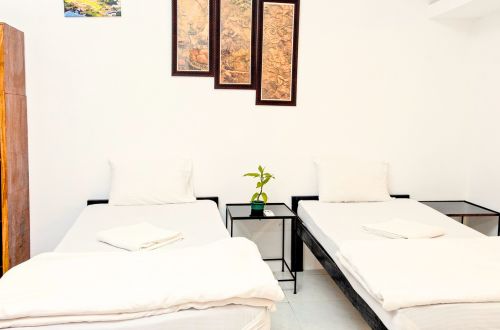
Our Accomodation

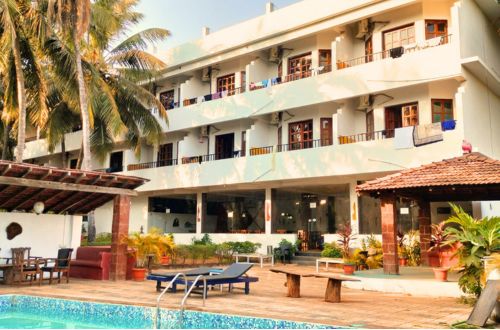
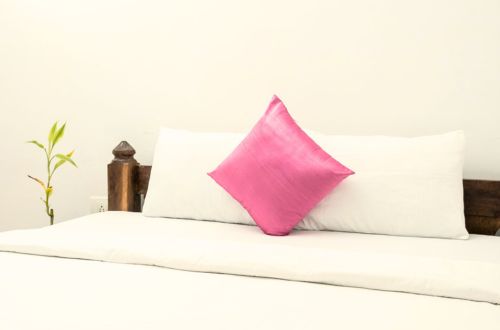
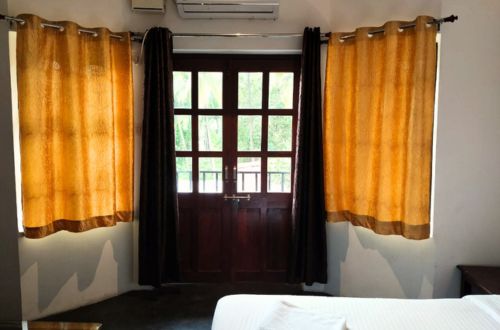
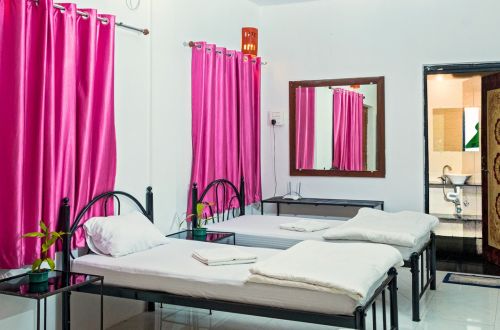
Relax by the pool, with the ocean just a short stroll away. 

Our Food

Delicious flavors of Ayurveda, to nourish your body and soul.

  • The following dietary requirement(s) are served and/or catered for: Vegetarian – Yogic – Oil-free
  • The following meals are included:    Breakfast –  Lunch  –  Dinner

Our Certificates

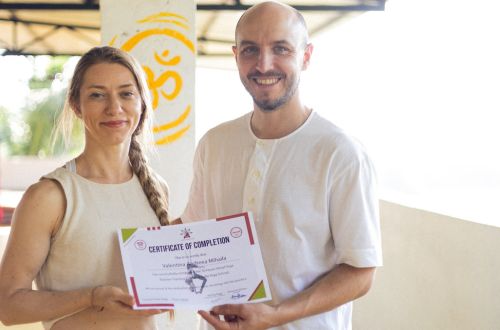
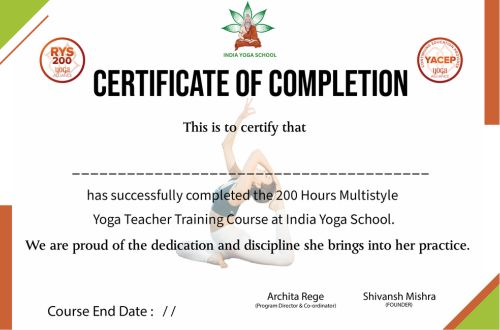
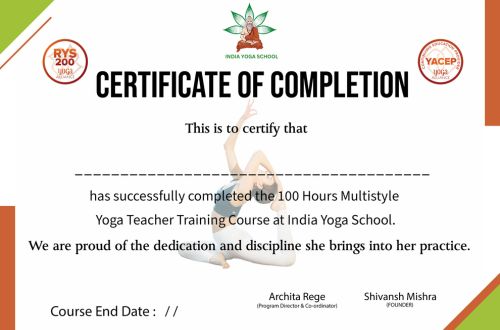
Our Yoga Alliance certificate is your passport to teaching yoga globally.

Client Testimonials

Video Testimonial of Our India Yoga School Students

Prerequisites

A high degree of self-motivation is required for all aspects of the course. The practice and especially the teaching of yoga demand a high degree of self-discipline and purity. To ensure the success of the program, participants are required to attend all spiritual activities, meditation sessions, lectures and asana classes.

Meat, fish, eggs, alcohol, tobacco, drugs and nudity are prohibited during the course as they are counterproductive to the yoga practice. Participants who do not comply with the school rules may be dismissed from the course.

Rules for Students

Smoking and alcohol are strictly prohibited in the school. If you are having a fast any day, you have to inform the kitchen manager for avoiding food waste. Always make discipline, respect teachers and follow all rules. Always be on the time, you are late means will not be permitted to join the class.

Clear your books of account before departure from Vinyasa Yoga Ashram. Before departure return your books, maps or any goods which you borrowed. Vinyasa Yoga Ashram provides accommodation for a student who joins the yoga course. So any friends or relatives will not be included in accommodation however they can stay in school by renting another room. The student has to be present in all scheduled program of Vinyasa Yoga Ashram

Refund Policy

An advance of course fees will not be refundable, only in the case of emergency students can join us on other schedules.

If a student cancels the course after joining it, we accept cancellation but course fees will not be refunded in cancellation. There is no charge of course cancellation.

Donate for a Cause

Yoga teaches us that we are not separate from the Earth, we are part of it.

The ocean that breathes, the rivers that flow, the mountains that hold silence, they hold us too.

Through your donation, you become part of this circle of care supporting clean-up drives, conscious action, and protection of the land that nurtures our practice in Goa.

This is seva in its purest form: giving back with love, gratitude, and responsibility.

Together, we heal the body, the community, and the planet.

Donate Image

How to Reach there?

1. By Air

Goa is connected by two airports – Manohar International Airport (GOX) in North Goa and Dabolim Airport (GOI) in South Goa; we can arrange comfortable airport pick-up and drop services (chargeable and payable directly to the driver)

2. By Train

The nearest railway station to Mandrem is Pernem Railway Station, just about 20 minutes away. Goa is well connected by train to major cities like Mumbai and Delhi, offering a scenic and comfortable journey. If needed, we are happy to assist you with booking your train tickets to make your travel smoother.

3. By Taxi

We can help arrange reliable taxi services from anywhere in the country directly to our school, ensuring a convenient and comfortable journey. This service is chargeable and the fare is to be paid directly to the taxi driver, ensuring a smooth and hassle-free journey to us.

Call Now Button